Characters are a important part of any film. They allow the audience to connect to them and form emotions while also helping the audience imagine the surroundings in more detail almost taking on the role of the character. For the audience to form this emotional bond with a character how ever the character does need to conform to some specific aspects. Here are some of the things I think are important in character development to involve the audience :
Character must relate to a large demographic of people - Usually a very normal every day person.
The character must be likable - For the audience to have a emotional connection they have to like the character.
Often the character will have some personal issues - Mentally unstable and conflicted. This allows the audience to feel some sympathy and also lets them feel like they know the character. Having this personal confliction can also help the audience relate to the character as everyone has some conflict in there lives.
Stereotypes are another important thing to consider when developing a character. A stereotype will often be a very simplified standardized conception of a specific social group. For my short film I will have to consider if I want any of my characters to conform to a particular stereotype and if it would enhance or change the story in any way to do so.
These are just a couple of the important parts in character development for a film. In a short film I am not sure that I will have the time to delve deeply in to the characters and there confliction's or complete personalities. I can how ever aim to make the character appealing and likable to the target audiences while hopefully giving a slightly more in depth view to there personality.
Tuesday, 18 January 2011

General Representation
Representation is the way in which something is presented or portrayed to the audience.
"Representations are discourses of imagined and rendered connections that may influence opinion or action, or effect change".
Cultures are often one of the things that can be represented in many different ways in films. One film may for example show a specific group of people as stupid, hateful, vandals. Another film how ever could show that same sort of group of people as hero's.
Representation also plays a huge part in everyones lives in how we perceive the world. Many countries we may never have been to are shown in the media through things like films and we can be lead to believe we understand that country and its culture based purely on what we have seen and how it has been represented. This can be a good and a bad thing as it allows us more of an insight in to the world but it will generally also have a lot of biased views and wrong portrayals based on things such as the views of the writers or directors of that form of media.
In film representation plays a huge part in connecting with an audience and making a story seem believable or inoffensive. Depending on things such as characters and mise-en-scene the audience can often generate opinions on a matter based purely on how something is portrayed. A good example of this would be how gender is represented in a lot of films. Men will often be perceived as a hero who will often have to save a woman who is represented as helpless and needy. Representation often also reflects the general cultures and beliefs of the people from the times the film was made. As well as some times trying to manipulate the ideas and views of an audience to coincide with those of the director. Examples of this would be in a lot of films that are set in poorer countries the director will usually have an opinion on the cultures he is trying to portray. This will generally influence the way this culture is represented.
Representation is not just limited to films how ever. in current popular culture many different media outlets such as television, radio, advertising, poetry, books and websites are prone to presenting things in a specific and sometimes close-minded way.
"Representations are discourses of imagined and rendered connections that may influence opinion or action, or effect change".
Cultures are often one of the things that can be represented in many different ways in films. One film may for example show a specific group of people as stupid, hateful, vandals. Another film how ever could show that same sort of group of people as hero's.
Representation also plays a huge part in everyones lives in how we perceive the world. Many countries we may never have been to are shown in the media through things like films and we can be lead to believe we understand that country and its culture based purely on what we have seen and how it has been represented. This can be a good and a bad thing as it allows us more of an insight in to the world but it will generally also have a lot of biased views and wrong portrayals based on things such as the views of the writers or directors of that form of media.
In film representation plays a huge part in connecting with an audience and making a story seem believable or inoffensive. Depending on things such as characters and mise-en-scene the audience can often generate opinions on a matter based purely on how something is portrayed. A good example of this would be how gender is represented in a lot of films. Men will often be perceived as a hero who will often have to save a woman who is represented as helpless and needy. Representation often also reflects the general cultures and beliefs of the people from the times the film was made. As well as some times trying to manipulate the ideas and views of an audience to coincide with those of the director. Examples of this would be in a lot of films that are set in poorer countries the director will usually have an opinion on the cultures he is trying to portray. This will generally influence the way this culture is represented.
Representation is not just limited to films how ever. in current popular culture many different media outlets such as television, radio, advertising, poetry, books and websites are prone to presenting things in a specific and sometimes close-minded way.
Tuesday, 11 January 2011
Narrative
The narrative in a film is usually the story being told. While it will be different for every film a lot of films follow the same rough guidelines of the classic narrative system :
Beginning - Middle - End
Equilibrium - Disequilibrium - Equilibrium (resolution)
If you look more in depth at specific genres and there narratives you can notice huge similarities in a lot of films as well. An example of this would be the generic Hollywood blockbuster action film. These generally follow a narrative of :
Introduction to characters / locations - disequilibrium when something bad happens - Things get positive usually around the middle of the film - chaos which is worse than the original disequilibrium - Happy ending where everything is resolved and there is a restoration of moral order.
This seems to be the general plot line of the majority of blockbusters that I have seen. A briefer description of this would be something like :
Introduction - Disequilibrium - Resolution - Disaster - Equilibrium.
For my short film I personally think it will not be long enough to have a general narrative plan of numerous stages. I do how ever see that I will need to think quite hard about the different steps in my films plot as it develops before I can begin to film it.
Beginning - Middle - End
Equilibrium - Disequilibrium - Equilibrium (resolution)
If you look more in depth at specific genres and there narratives you can notice huge similarities in a lot of films as well. An example of this would be the generic Hollywood blockbuster action film. These generally follow a narrative of :
Introduction to characters / locations - disequilibrium when something bad happens - Things get positive usually around the middle of the film - chaos which is worse than the original disequilibrium - Happy ending where everything is resolved and there is a restoration of moral order.
This seems to be the general plot line of the majority of blockbusters that I have seen. A briefer description of this would be something like :
Introduction - Disequilibrium - Resolution - Disaster - Equilibrium.
For my short film I personally think it will not be long enough to have a general narrative plan of numerous stages. I do how ever see that I will need to think quite hard about the different steps in my films plot as it develops before I can begin to film it.
Sound
Sound is a huge part of any modern film. Things like background music , dialogue, effects and sometimes narration are hugely important when it comes to forming a connection with an audience or enhancing a scenes general feel. During an action sequence for example you could play a fast paced exciting bit of music to make the whole scene feel more dynamic and intense.
A very useful website I found which covers a ton of information on sound in films is http://filmsound.org/
Sound can be placed in to different categories in film depending on where it comes from such as background sound compared to sound which is added in editing.
Non-diegetic sound
Sound whose source is neither visible on the screen nor has been implied to be present in the action:
Another term for non-diegetic sound is commentary sound.
Diegetic sound
Sound whose source is visible on the screen or whose source is implied to be present by the action of the film:
Another term for diegetic sound is actual sound.
These brief descriptions are from http://www.filmsound.org/
Dialogue
Dialogue is very important when trying to tell a story. Pretty much every film with an actual story will feature dialogue of some kind. Dialogue is usually defined as written or spoken communication between two or more people. This is something I think my film will have to use to effectively make the story straightforward to follow.
Sound Effects
Sound effects are usually classified as additional effects usually added in editing to often enhance a specific scene or make it more realistic. An example of this would be adding a gun shot effect in editing each time someone fires a gun in a scene.
Wikipedia has a nice description of sound effects related to film and television :
Sound effects or audio effects are artificially created or enhanced sounds, or sound processes used to emphasize artistic or other content of films, television shows, live performance, animation, video games, music, or other media. In motion picture and television production, a sound effect is a sound recorded and presented to make a specific storytelling or creative point without the use of dialogue or music. The term often refers to a process applied to a recording, without necessarily referring to the recording itself. In professional motion picture and television production, dialogue, music, and sound effects recordings are treated as separate elements. Dialogue and music recordings are never referred to as sound effects, even though the processes applied to them, such as reverberation or flanging effects, often are called "sound effects".
I think sound effects will be crucial in my film such as even adding things like wind noises can change the audiences connection to the scene and add realism.
Narration
Narration in film is when you have someone talking over the story often giving a description of a characters thoughts or what is happening. Narration can often offer a unique insight in to how a character is thinking or it could also give you hints to what is going to happen a bit further on in the film. The narrator will often be a main character in the film how ever this can change sometimes to be an unknown voice. The narrator will often guide the audience through a story especially if the plot is quite complex.
In my film I doubt I will be using narration as I feel it would not fit with the general theme of my ideas and it would seem forced rather than being an aid to the story or character development.
Music
Music is an incredibly important addition to most films. The effects it can have on a scene are huge. It can control emotions and enhance them immensely. It can also act as a signifier to things that may have already happened in a film or things that will happen later on. IT can add a lot more drama to a scene particularly in action films. Music can also help the audience connect to a character or develop a character more. Music can also be used as diegetic sound to give a sense of realism in a film as the film characters can respond to something that we know to be real.
Music is something I would like to use a fair bit of in my film to try and enhance some specific scenes and effect audience emotions.
I think sound will play a huge part in my production and It will require very careful choices as the wrong bit of music in a scene can completely ruin the scene just like a bad sound effect can make something that should be serious become humorous.
A very useful website I found which covers a ton of information on sound in films is http://filmsound.org/
Sound can be placed in to different categories in film depending on where it comes from such as background sound compared to sound which is added in editing.
Non-diegetic sound
Sound whose source is neither visible on the screen nor has been implied to be present in the action:
- narrator's commentary
- sound effects which is added for the dramatic effect
- mood music
Another term for non-diegetic sound is commentary sound.
Diegetic sound
Sound whose source is visible on the screen or whose source is implied to be present by the action of the film:
- voices of characters
- sounds made by objects in the story
- music represented as coming from instruments in the story space ( = source music)
Another term for diegetic sound is actual sound.
These brief descriptions are from http://www.filmsound.org/
Dialogue
Dialogue is very important when trying to tell a story. Pretty much every film with an actual story will feature dialogue of some kind. Dialogue is usually defined as written or spoken communication between two or more people. This is something I think my film will have to use to effectively make the story straightforward to follow.
Sound Effects
Sound effects are usually classified as additional effects usually added in editing to often enhance a specific scene or make it more realistic. An example of this would be adding a gun shot effect in editing each time someone fires a gun in a scene.
Wikipedia has a nice description of sound effects related to film and television :
Sound effects or audio effects are artificially created or enhanced sounds, or sound processes used to emphasize artistic or other content of films, television shows, live performance, animation, video games, music, or other media. In motion picture and television production, a sound effect is a sound recorded and presented to make a specific storytelling or creative point without the use of dialogue or music. The term often refers to a process applied to a recording, without necessarily referring to the recording itself. In professional motion picture and television production, dialogue, music, and sound effects recordings are treated as separate elements. Dialogue and music recordings are never referred to as sound effects, even though the processes applied to them, such as reverberation or flanging effects, often are called "sound effects".
I think sound effects will be crucial in my film such as even adding things like wind noises can change the audiences connection to the scene and add realism.
Narration
Narration in film is when you have someone talking over the story often giving a description of a characters thoughts or what is happening. Narration can often offer a unique insight in to how a character is thinking or it could also give you hints to what is going to happen a bit further on in the film. The narrator will often be a main character in the film how ever this can change sometimes to be an unknown voice. The narrator will often guide the audience through a story especially if the plot is quite complex.
In my film I doubt I will be using narration as I feel it would not fit with the general theme of my ideas and it would seem forced rather than being an aid to the story or character development.
Music
Music is an incredibly important addition to most films. The effects it can have on a scene are huge. It can control emotions and enhance them immensely. It can also act as a signifier to things that may have already happened in a film or things that will happen later on. IT can add a lot more drama to a scene particularly in action films. Music can also help the audience connect to a character or develop a character more. Music can also be used as diegetic sound to give a sense of realism in a film as the film characters can respond to something that we know to be real.
Music is something I would like to use a fair bit of in my film to try and enhance some specific scenes and effect audience emotions.
I think sound will play a huge part in my production and It will require very careful choices as the wrong bit of music in a scene can completely ruin the scene just like a bad sound effect can make something that should be serious become humorous.
Thursday, 6 January 2011
Camera Techniques
The camera techniques are probably the most important part of a film. This includes things like camera angles , shots, movement, and the view. To create a good film you need to learn about camera angles and there effects on audiences as well as different types of camera movements and what shots to use to include specific parts of mise-en-scene you want to be shown.
Here is a brief description of some shots and there effects from Wikipedia :
Here is a brief description of some shots and there effects from Wikipedia :
The use of different shot sizes can influence the meaning which an audience will interpret.
The size of the subject in frame depends on two things: the distance the camera is away from the subject and the focal length of the camera lens.
Common shot sizes:
- Extreme close-up: Focuses on a single facial feature, such as lips and eyes.
- Close-up: May be used to show tension.
- Medium shot: Often used, but considered bad practice by many directors, as it often denies setting establishment and is generally less effective than the Close-up.
- Establishing shot: Mainly used at a new location to give the audience a sense of locality.
Choice of shot size is also directly related to the size of the final display screen the audience will see. A Long shot has much more dramatic power on a large theater screen, whereas the same shot would be powerless on a small TV or computer screen.
Wikipedia also has a long list of dozens of different camera shots that can be used with hyperlinks to more in depth explanations of each shot : Wikipedia camera shots
Lighting
Lighting plays a very important role in any visual product from photos to films. There are a lot of different atmospheres that can be created with lighting often to reflect a specific genre or scene. Here is a post from my blog last year which shows the atmosphere and effects lighting often creates in the film noir genre: http://mcampbellmedia.blogspot.com/2010/01/experimenting-with-lighting.html. For my film I will have to consider lighting and the effects it could have on my story and its atmosphere.

This picture shows how lighting can drastically effect the atmosphere of this bar. The natural light coming in from the windows reflects around the room making it seem very vibrant and alive despite the room seemingly being empty.
 This picture has a unnatural light shining on half of the mans face. This creates a atmosphere of mystery and a sense of danger. This is a common theme in film noir and mystery films.

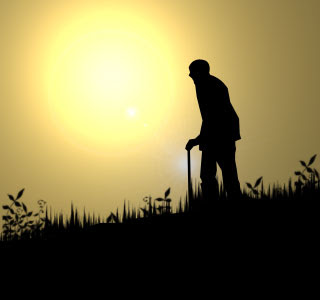
This image shows how lighting can create silhouettes to give a sense of mystery and suspense. This is a very effective lighting technique to use in appropriate situations. It is created by having a very bright light behind the silhouette. If it is appropriate to do so i would like to use this effect in my film.
Lighting is something I will have to consider in depth when filming my final product as if it is ignored or used wrong it can drastically change the atmosphere of the film and ruin the emotional connections to the audience.
Images from Google image searches

This picture shows how lighting can drastically effect the atmosphere of this bar. The natural light coming in from the windows reflects around the room making it seem very vibrant and alive despite the room seemingly being empty.


This shows how lighting can even contradict the locations natural atmosphere by making what could be seen as a isolated forrest look lively and safe. This effect can sometimes be used in films to trick viewers in to believing some where is a safe spot when it will often turn out to be dangerous.
This image also shows the power the lights reflections can have creating a vibrant atmosphere in the picture.

This image shows how lighting can create silhouettes to give a sense of mystery and suspense. This is a very effective lighting technique to use in appropriate situations. It is created by having a very bright light behind the silhouette. If it is appropriate to do so i would like to use this effect in my film.
Lighting is something I will have to consider in depth when filming my final product as if it is ignored or used wrong it can drastically change the atmosphere of the film and ruin the emotional connections to the audience.
Images from Google image searches
Thursday, 16 December 2010
Audience: the Acorn system
The Acorn system is very useful when trying to decide who your target audience should be. This system places people in to categories based on alot of things such as : ethnicity, gender, jobs, income, age and qualifications.
Here is a very brief overview of the system from my blog for the AS media course last year :
BAND A : These are the wealthy upper middle classes that are proffessionals such as doctors or are high up managers, executives, administrators.
BAND B : People in this band are normally middle class with intermediate manager jobs or other respected proffesional jobs such as teachers.
BAND C1 : This is generally the lower middle classes with fair incomes. They will have jobs such as junior managers or semi proffessional workers.
BAND C2 : These people are usually skilled working classes who will have often have skilled manual work jobs.
BAND D : This is working class people who are often manual workers in semi-skilled/unskilled jobs such as mechanics.
BAND E : These are the lowest earners who will often have very basic or casual jobs.This bracket also includes things like state pensioners, widowers(single earners) and the unemployed.
Here is the newest and very detailed version of the system from: http://www.caci.co.uk/acorn-classification.aspx
Wealthy Achievers
Wealthy Executives
Urban Prosperity
Prosperous Professionals
Comfortably Off
Starting Out
Moderate Means
Asian Communities
Hard Pressed
Struggling Families
Here is a very brief overview of the system from my blog for the AS media course last year :
BAND A : These are the wealthy upper middle classes that are proffessionals such as doctors or are high up managers, executives, administrators.
BAND B : People in this band are normally middle class with intermediate manager jobs or other respected proffesional jobs such as teachers.
BAND C1 : This is generally the lower middle classes with fair incomes. They will have jobs such as junior managers or semi proffessional workers.
BAND C2 : These people are usually skilled working classes who will have often have skilled manual work jobs.
BAND D : This is working class people who are often manual workers in semi-skilled/unskilled jobs such as mechanics.
BAND E : These are the lowest earners who will often have very basic or casual jobs.This bracket also includes things like state pensioners, widowers(single earners) and the unemployed.
Here is the newest and very detailed version of the system from: http://www.caci.co.uk/acorn-classification.aspx
Wealthy Achievers
Wealthy Executives
- 01 - Affluent mature professionals, large houses
- 02 - Affluent working families with mortgages
- 03 - Villages with wealthy commuters
- 04 - Well-off managers, larger houses
- 05 - Older affluent professionals
- 06 - Farming communities
- 07 - Old people, detached houses
- 08 - Mature couples, smaller detached houses
- 09 - Larger families, prosperous suburbs
- 10 - Well-off working families with mortgages
- 11 - Well-off managers, detached houses
- 12 - Large families & houses in rural areas
Urban Prosperity
Prosperous Professionals
- 13 - Well-off professionals, larger houses and converted flats
- 14 - Older Professionals in detached houses and apartments
- 15 - Affluent urban professionals, flats
- 16 - Prosperous young professionals, flats
- 17 - Young educated workers, flats
- 18 - Multi-ethnic young, converted flats
- 19 - Suburban privately renting professionals
- 20 - Student flats and cosmopolitan sharers
- 21 - Singles & sharers, multi-ethnic areas
- 22 - Low income singles, small rented flats
- 23 - Student Terraces
Comfortably Off
Starting Out
- 24 - Young couples, flats and terraces
- 25 - White collar singles/sharers, terraces
- 26 - Younger white-collar couples with mortgages
- 27 - Middle income, home owning areas
- 28 - Working families with mortgages
- 29 - Mature families in suburban semis
- 30 - Established home owning workers
- 31 - Home owning Asian family areas
- 32 - Retired home owners
- 33 - Middle income, older couples
- 34 - Lower income people, semis
- 35 - Elderly singles, purpose built flats
- 36 - Older people, flats
Moderate Means
Asian Communities
- 37 - Crowded Asian terraces
- 38 - Low income Asian families
- 39 - Skilled older family terraces
- 40 - Young family workers
- 41 - Skilled workers, semis and terraces
- 42 - Home owning, terraces
- 43 - Older rented terraces
Hard Pressed
Struggling Families
- 44 - Low income larger families, semis
- 45 - Older people, low income, small semis
- 46 - Low income, routine jobs, unemployment
- 47 - Low rise terraced estates of poorly-off workers
- 48 - Low incomes, high unemployment, single parents
- 49 - Large families, many children, poorly educated
- 50 - Council flats, single elderly people
- 51 - Council terraces, unemployment, many singles
- 52 - Council flats, single parents, unemployment
- 53 - Old people in high rise flats
- 54 - Singles & single parents, high rise estates
- 55 - Multi-ethnic purpose built estates
- 56 - Multi-ethnic, crowded flats
Audience: the effects models
Probably the most important thing to consider when creating a media product would be to decide who your target audience is. There are a few techniques and systems people use when categorising the main audience for there specific product.
The first thing I looked at in my audience research was the effects model. This shows the different ways in which people consume the media :
http://en.wikipedia.org/wiki/Hypodermic_needle_model
http://en.wikipedia.org/wiki/Two-step_flow
http://en.wikipedia.org/wiki/Uses_and_gratifications
http://en.wikipedia.org/wiki/Reception_theory
There is more information on audience theory and the effects model: http://en.wikipedia.org/wiki/Audience_theory
I think my film would probably be aimed mainly towards the hypodermic needle viewers as this is generally the largest audience. I think this also fits well with the short film category due to the time constraints in a five minute long piece preventing me from creating a complex plot to attract the viewers from the other effects models.
The first thing I looked at in my audience research was the effects model. This shows the different ways in which people consume the media :
- The hypodermic needle model
http://en.wikipedia.org/wiki/Hypodermic_needle_model
- Two-step flow
http://en.wikipedia.org/wiki/Two-step_flow
- Uses and gratifications
http://en.wikipedia.org/wiki/Uses_and_gratifications
- Reception theory
http://en.wikipedia.org/wiki/Reception_theory
- Obstinate audience theory
There is more information on audience theory and the effects model: http://en.wikipedia.org/wiki/Audience_theory
I think my film would probably be aimed mainly towards the hypodermic needle viewers as this is generally the largest audience. I think this also fits well with the short film category due to the time constraints in a five minute long piece preventing me from creating a complex plot to attract the viewers from the other effects models.
Tuesday, 14 December 2010
Film Classification
Films are given a specific film classification which will inform the audience whether a film is suitable for them or not. This classification is given by the British Board of Film Classification: http://www.bbfc.co.uk/.
There are six types of classification used in the United Kingdom :Universal

Suitable for all
It is impossible to predict what might upset any particular child. But a ‘U’ film should be suitable for audiences aged four years and over. ‘U’ films should be set within a positive moral framework and should offer reassuring counterbalances to any violence, threat or horror.
If a work is particularly suitable for a pre-school child to view alone, this will be indicated in the Consumer Advice.
Parental Guidance

General viewing, but some scenes
may be unsuitable for young children
Unaccompanied children of any age may watch. A ‘PG’ film should :
not disturb a child aged around eight or older. However, parents are advised to consider whether the content may upset younger or more sensitive children.
not disturb a child aged around eight or older. However, parents are advised to consider whether the content may upset younger or more sensitive children.

Suitable for 12 years and over
Exactly the same criteria are used to classify works at ‘12A’ and ‘12’. These categories are awarded where the material is suitable, in general, only for those aged 12 and over. Works classified at these categories may upset children under 12 or contain material which many parents will find unsuitable for them.
The ‘12A’ category exists only for cinema films. No one younger than 12 may see a ‘12A’ film in a cinema unless accompanied by an adult, and films classified ‘12A’ are not recommended for a child below 12. An adult may take a younger child if, in their judgement, the film is suitable for that particular child. In such circumstances, responsibility for allowing a child under 12 to view lies with the accompanying adult.
The ‘12’ category exists only for video works. No one younger than 12 may rent or buy a ‘12’ rated video work.

Suitable only for 15 years and over
Suitable only for 15 years and over
Suitable only for 15 years and over
No one younger than 15 may see a ‘15’ film in a cinema. No one younger than 15 may rent or buy a ‘15’ rated video work.

Suitable only for adults
No-one younger than 18 may rent or buy an ‘18’ rated video.
No-one younger than 18 may rent or buy an ‘18’ rated video.
No-one younger than 18 may see an ‘18’ film in a cinema.
In line with the consistent findings of the BBFC’s public consultations and The Human Rights Act 1998, at ‘18’ the BBFC’s guideline concerns will not normally override the principle that adults should be free to choose their own entertainment. Exceptions are most likely in the following areas:
- where the material is in breach of the criminal law, or has been created through the commission of a criminal offence
- where material or treatment appears to the BBFC to risk harm to individuals or, through their behaviour, to society – for example, any detailed portrayal of violent or dangerous acts, or of illegal drug use, which may cause harm to public health or morals. This may include portrayals of sexual or sexualised violence which might, for example, eroticise or endorse sexual assault
- where there are more explicit images of sexual activity which cannot be justified by context. Such images may be appropriate in ‘R18’ works, and in ‘sex works’ (see below) would normally be confined to that category.
In the case of video works (including video games), which may be more accessible to younger viewers, intervention may be more frequent than for cinema films.

To be shown only in specially licensed cinemas, or supplied only in licensed sex shops, and to adults of not less than 18 years
The ‘R18’ category is a special and legally restricted classification primarily for explicit works of consenting sex or strong fetish material involving adults. Films may only be shown to adults in specially licensed cinemas, and video works may be supplied to adults only in licensed sex shops. ‘R18’ video works may not be supplied by mail order. The following content is not acceptable:
- any material which is in breach of the criminal law, including material judged to be obscene under the current interpretation of the Obscene Publications Act 1959
- material (including dialogue) likely to encourage an interest in sexually abusive activity (for example, paedophilia, incest or rape) which may include adults role-playing as non-adults
- the portrayal of any sexual activity which involves lack of consent (whether real or simulated). Any form of physical restraint which prevents participants from indicating a withdrawal of consent
- the infliction of pain or acts which may cause lasting physical harm, whether real or (in a sexual context) simulated. Some allowance may be made for moderate, non-abusive, consensual activity
- penetration by any object associated with violence or likely to cause physical harm
- any sexual threats, humiliation or abuse which does not form part of a clearly consenting role-playing game. Strong physical or verbal abuse, even if consensual, is unlikely to be acceptable.
Currently I plan to make my film either a 12 or a 15 certification. If it is a 12 it will have a larger audience potential while still allowing some more mature content. A 15 certification would give me more options when developing my plot but may prevent some slightly younger viewers from watching it who may also fit in to the target audience.
Thursday, 25 November 2010
Genres
Genre is the word used to describe a particular type of film. In film there are a huge variety of genres which cover pretty much every film ever made.
Here are most of the more popular and common film genres :
Action - A film genre where one or more heroes is thrust into a series of challenges that require physical feats, extended fights and frenetic chases. Story and character development are generally secondary to explosions, fist fights, gunplay and car chases.
http://en.wikipedia.org/wiki/Action_film
Adventure - Adventure Films are exciting stories, with new experiences or exotic locales. Adventure films are very similar to the action film genre, in that they are designed to provide an action-filled, energetic experience for the film viewer.
http://en.wikipedia.org/wiki/Adventure_film
Comedy - Film in which the main emphasis is on humor. Also, films in this style typically have a happy ending. One of the oldest genres in film, some of the very first silent movies were comedies. Comedy, unlike other film genres, puts much more focus on individual stars, with many former stand-up comics transitioning to the film industry due to their popularity. While many comic films are lighthearted stories with no intent other than to amuse, others contain political or social commentary (such as Wag the dog and Man of the year).
http://en.wikipedia.org/wiki/Comedy_film
Crime - Films which focus on the lives of criminals. The stylistic approach to a crime film varies from realistic portrayals of real-life criminal figures, to the far-fetched evil doings of imaginary arch-villains. Criminal acts are almost always glorified in these movies.
http://en.wikipedia.org/wiki/Crime_film
Documentary - A broad category of moving pictures intended to document some aspect of reality. A "documentary film" was originally a movie shot on film stock — the only medium available — but now includes video and digital productions that can be either direct-to-video or made for a television programme. "Documentary" has been described as a "filmmaking practice, a cinematic tradition, and mode of audience reception" that is continually evolving and is without clear boundaries.
http://en.wikipedia.org/wiki/Documentary_film
Drama - A film genre that depends mostly on in-depth development of realistic characters dealing with emotional themes. Dramatic themes such as alcoholism, drug addiction, racial prejudice, religious intolerance, poverty, crime and corruption put the characters in conflict with themselves, others, society and even natural phenomena.
This film genre can be contrasted with an action film, which relies on fast-paced action and physical conflict, but superficial character development. All film genres can include dramatic elements, but typically, films considered drama films focus mainly on the drama of the main issue.
http://en.wikipedia.org/wiki/Drama_film
Family - A film genre that is designed to appeal to a variety of age groups and, thus, families. To attract these diverse audiences, film makers often create works that operate simultaneously on several levels of appeal. Comic songs might appeal to younger children, for example, while wittier jokes and pop culture references attract adults.
Family films generally do not contain content that would be deemed unsuitable for children. In the United States, such films are usually conceived so as to guarantee nothing greater than a G or PG rating.
http://en.wikipedia.org/wiki/Family_film
Fantasy - Films with fantastic themes, usually involving magic, supernatural events, make-believe creatures, or exotic fantasy worlds. The genre is considered to be distinct from science fiction film and horror film, although the genres do overlap.
http://en.wikipedia.org/wiki/Fantasy_film
Horror - Horror films are unsettling movies that strive to elicit the emotions of fear,disgust and horror from viewers. They often feature scenes that startle the viewer through the means of macabre and the supernatural, thus frequently overlapping with the fantasy and science fiction genres. Horrors also frequently overlap with the thriller genre.
http://en.wikipedia.org/wiki/horror_film
Musical - The musical film is a film genre in which several songs sung by the characters are interwoven into the narrative. The songs are used to advance the plot or develop the film's characters, but some musical films (e.g. Down Argentine Way) simply plop the songs in as unrelated "specialties" (also called "production numbers") - as with Carmen Miranda's numbers. A subgenre of the musical film is the musical comedy, which includes a strong element of humor as well as the usual music, dancing and story line.
http://en.wikipedia.org/wiki/musical_film
Mystery - Mystery film is a sub-genre of the more general category of crime film. It focuses on the efforts of the detective, private investigator or amateur sleuth to solve the mysterious circumstances of a crime by means of clues, investigation, and clever deduction.
Romance - While most films have some aspect of romance between characters (at least as a subplot) a romance film can be loosely defined as any film in which the central plot (the premise of the story) revolves around the romantic involvement of the story's protagonists. Common themes include the characters making decisions based on a newly-found romantic attraction. The questions, "What am I living for?" or "Why am I with my current partner?" often arise.
Science fiction - While most films have some aspect of romance between characters (at least as a subplot) a romance film can be loosely defined as any film in which the central plot (the premise of the story) revolves around the romantic involvement of the story's protagonists. Common themes include the characters making decisions based on a newly-found romantic attraction. The questions, "What am I living for?" or "Why am I with my current partner?" often arise.
Sport - Sports movies have been made since the era of silent films, such as the 1915 film The Champion starring Charlie Chaplin. Films in this genre can range from serious (Raging Bull) to silly (Horse Feathers). A classic theme for sports films is the triumph of an individual or team who prevail despite the difficulties. Men often identify with sports films in ways they wouldn't with other genres.
http://en.wikipedia.org/wiki/sports_film
Thriller - Thriller is a genre of literature, film, and television that uses suspense, tension, and excitement as the main elements. The primary subgenres are mystery,crime, and psychological thrillers. After the assassination of President Kennedy,political thriller and paranoid thriller films became very popular. The brightest examples of thrillers are the Hitchcock’s movies. The cover-up of important information from the viewer and fight/chase scenes are common methods in all of the thriller subgenres, although each subgenre has its own characteristics and methods.
http://en.wikipedia.org/wiki/thriller_film
War - War films are a film genre concerned with warfare, usually about naval, air or land battles, sometimes focusing instead on prisoners of war, covert operations, military training or other related subjects. At times war films focus on daily military or civilian life in wartime without depicting battles. Their stories may be fiction, based on history, docudrama, biographical, or even alternate history fiction.
Western - The Western is a genre of art that may be found in film, television, radio, literature, painting and other visual arts. Westerns are devoted to telling stories set primarily in the latter half of the 19th century in the American Old West. Some Westerns are set as early as the Battle of the Alamo in 1836 but most are set between the end of the American Civil War (1865) and the massacre at Wounded Knee in 1890. There are also a number of films about Western-type characters in contemporary settings, such as Junior Bonner set in the 1970s and The Three Burials of Melquiades Estrada in the 21st century.
Westerns often portray how primitive and obsolete ways of life confronted modern technological or social changes. This may be depicted by showing conflict between natives and settlers or U.S. Cavalry or between cattle ranchers and farmers ("sodbusters"), or by showing ranchers being threatened by the onset of the Industrial Revolution.
Here are most of the more popular and common film genres :
Action - A film genre where one or more heroes is thrust into a series of challenges that require physical feats, extended fights and frenetic chases. Story and character development are generally secondary to explosions, fist fights, gunplay and car chases.
http://en.wikipedia.org/wiki/Action_film
Adventure - Adventure Films are exciting stories, with new experiences or exotic locales. Adventure films are very similar to the action film genre, in that they are designed to provide an action-filled, energetic experience for the film viewer.
http://en.wikipedia.org/wiki/Adventure_film
Comedy - Film in which the main emphasis is on humor. Also, films in this style typically have a happy ending. One of the oldest genres in film, some of the very first silent movies were comedies. Comedy, unlike other film genres, puts much more focus on individual stars, with many former stand-up comics transitioning to the film industry due to their popularity. While many comic films are lighthearted stories with no intent other than to amuse, others contain political or social commentary (such as Wag the dog and Man of the year).
http://en.wikipedia.org/wiki/Comedy_film
Crime - Films which focus on the lives of criminals. The stylistic approach to a crime film varies from realistic portrayals of real-life criminal figures, to the far-fetched evil doings of imaginary arch-villains. Criminal acts are almost always glorified in these movies.
http://en.wikipedia.org/wiki/Crime_film
Documentary - A broad category of moving pictures intended to document some aspect of reality. A "documentary film" was originally a movie shot on film stock — the only medium available — but now includes video and digital productions that can be either direct-to-video or made for a television programme. "Documentary" has been described as a "filmmaking practice, a cinematic tradition, and mode of audience reception" that is continually evolving and is without clear boundaries.
http://en.wikipedia.org/wiki/Documentary_film
Drama - A film genre that depends mostly on in-depth development of realistic characters dealing with emotional themes. Dramatic themes such as alcoholism, drug addiction, racial prejudice, religious intolerance, poverty, crime and corruption put the characters in conflict with themselves, others, society and even natural phenomena.
This film genre can be contrasted with an action film, which relies on fast-paced action and physical conflict, but superficial character development. All film genres can include dramatic elements, but typically, films considered drama films focus mainly on the drama of the main issue.
http://en.wikipedia.org/wiki/Drama_film
Family - A film genre that is designed to appeal to a variety of age groups and, thus, families. To attract these diverse audiences, film makers often create works that operate simultaneously on several levels of appeal. Comic songs might appeal to younger children, for example, while wittier jokes and pop culture references attract adults.
Family films generally do not contain content that would be deemed unsuitable for children. In the United States, such films are usually conceived so as to guarantee nothing greater than a G or PG rating.
http://en.wikipedia.org/wiki/Family_film
Fantasy - Films with fantastic themes, usually involving magic, supernatural events, make-believe creatures, or exotic fantasy worlds. The genre is considered to be distinct from science fiction film and horror film, although the genres do overlap.
http://en.wikipedia.org/wiki/Fantasy_film
Horror - Horror films are unsettling movies that strive to elicit the emotions of fear,disgust and horror from viewers. They often feature scenes that startle the viewer through the means of macabre and the supernatural, thus frequently overlapping with the fantasy and science fiction genres. Horrors also frequently overlap with the thriller genre.
http://en.wikipedia.org/wiki/horror_film
Musical - The musical film is a film genre in which several songs sung by the characters are interwoven into the narrative. The songs are used to advance the plot or develop the film's characters, but some musical films (e.g. Down Argentine Way) simply plop the songs in as unrelated "specialties" (also called "production numbers") - as with Carmen Miranda's numbers. A subgenre of the musical film is the musical comedy, which includes a strong element of humor as well as the usual music, dancing and story line.
http://en.wikipedia.org/wiki/musical_film
Mystery - Mystery film is a sub-genre of the more general category of crime film. It focuses on the efforts of the detective, private investigator or amateur sleuth to solve the mysterious circumstances of a crime by means of clues, investigation, and clever deduction.
The successful mystery film adheres to one of two story types, known as Open and Closed. The Closed (or whodunit) mystery conceals the identity of the perpetrator until late in the story, adding an element of suspense during the apprehension of the suspect, as the audience is never quite sure who it is. The Open mystery, in contrast, reveals the identity of the perpetrator at the top of the story, showcasing the "perfect crime" which the audience then watches the protagonist unravel, usually at the very end of the story, akin to the unveiling scenes in the Closed style.
The appeal of these films is in the dramatic reality of the emotions expressed by the characters. The following is a list of recent romantic films. The most successful romantic film is the 1997 blockbuster, Titanic which grossed over $600 million in America and $1.8 billion, worldwide.
The appeal of these films is in the dramatic reality of the emotions expressed by the characters. The following is a list of recent romantic films. The most successful romantic film is the 1997 blockbuster, Titanic which grossed over $600 million in America and $1.8 billion, worldwide.
http://en.wikipedia.org/wiki/sports_film
Thriller - Thriller is a genre of literature, film, and television that uses suspense, tension, and excitement as the main elements. The primary subgenres are mystery,crime, and psychological thrillers. After the assassination of President Kennedy,political thriller and paranoid thriller films became very popular. The brightest examples of thrillers are the Hitchcock’s movies. The cover-up of important information from the viewer and fight/chase scenes are common methods in all of the thriller subgenres, although each subgenre has its own characteristics and methods.
http://en.wikipedia.org/wiki/thriller_film
War - War films are a film genre concerned with warfare, usually about naval, air or land battles, sometimes focusing instead on prisoners of war, covert operations, military training or other related subjects. At times war films focus on daily military or civilian life in wartime without depicting battles. Their stories may be fiction, based on history, docudrama, biographical, or even alternate history fiction.
The term anti-war film is sometimes used to describe films which bring to the viewer the pain and horror of war, often from a political or ideological perspective.
Westerns often portray how primitive and obsolete ways of life confronted modern technological or social changes. This may be depicted by showing conflict between natives and settlers or U.S. Cavalry or between cattle ranchers and farmers ("sodbusters"), or by showing ranchers being threatened by the onset of the Industrial Revolution.
Subscribe to:
Posts (Atom)